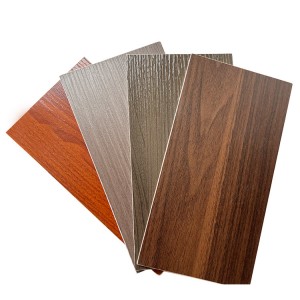
Tunnel Fireproof Board
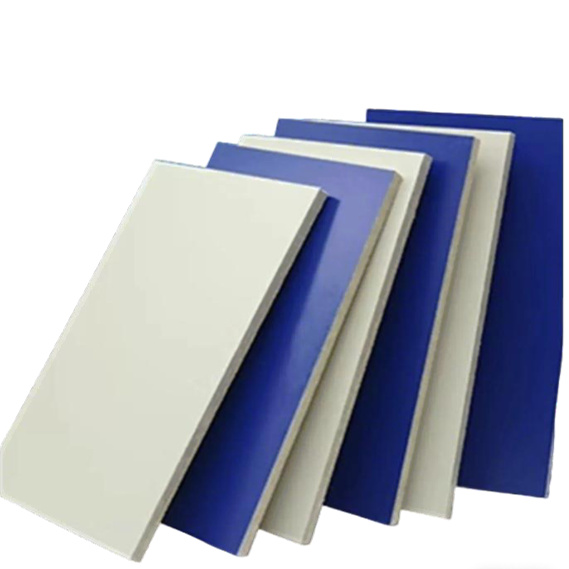
Product Introduction
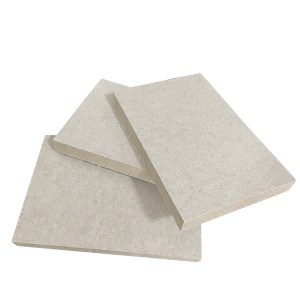
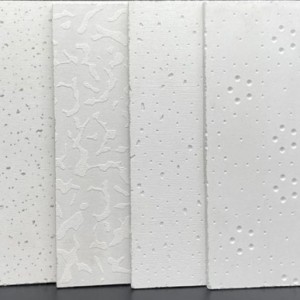
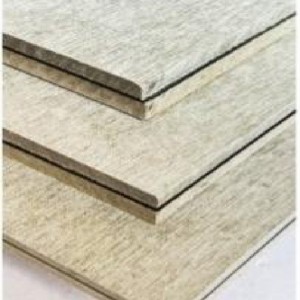
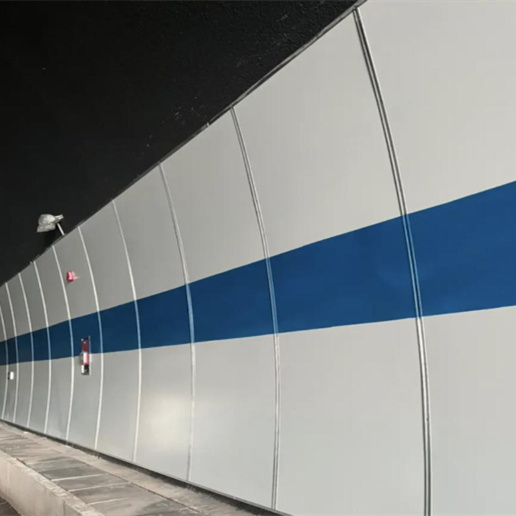
Tunnel Fireproof Board is a new type of fire-resistant panel specifically designed for fixed installation on concrete structure surfaces of highway and urban traffic tunnels to improve the structural fire resistance rating. It typically uses high-density calcium silicate board as the base material, with a surface composited with steel plates, aluminum plates, or sprayed fluorocarbon paint and other inorganic coatings. The board features high-temperature resistance, non-combustibility, and low smoke toxicity, while maintaining structural strength and durability. It is an indispensable safety building material in modern tunnel engineering.
Product Specifications
| Type | Length (mm) | Width (mm) | Thickness (mm) |
|---|---|---|---|
| Standard | 2440 | 1220 | 6, 8, 10 |
| Custom | 2440 ~ 3050 | 1220 | 6, 8, 10 |
Application Scope
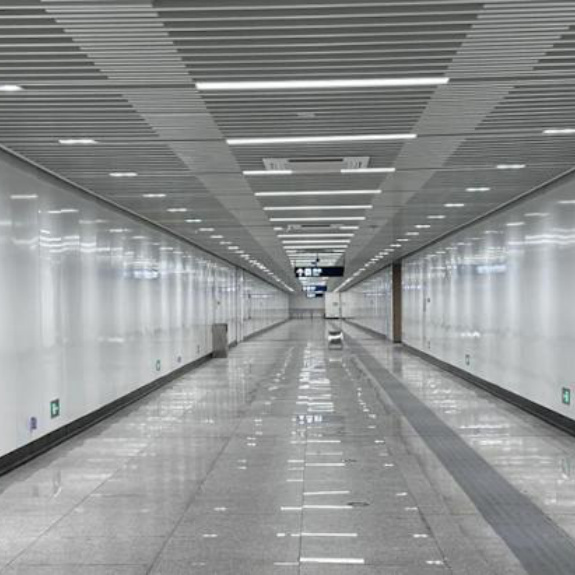
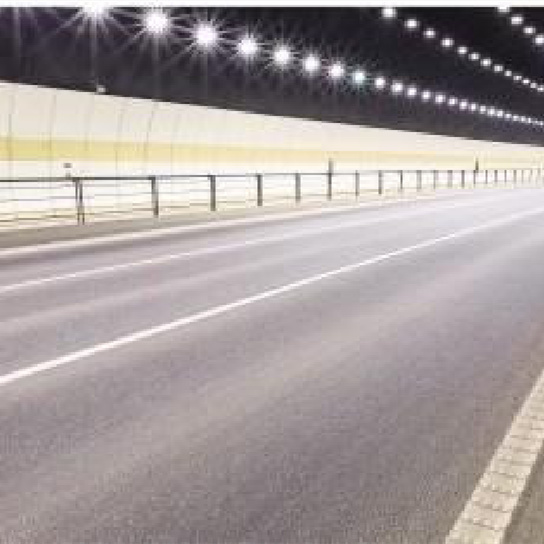
Tunnel Fireproof Board is widely used in tunnel and underground engineering for passive fire protection:
- Highway Tunnels: Road tunnel interior wall fire protection
- Urban Traffic Tunnels: City underground passageways
- Subway Systems: Metro tunnel fire protection
- Expressway Infrastructure: Major transport artery tunnels
In practical applications, Tunnel Fireproof Board can be integrated with fire suppression systems and smoke extraction systems to form a complete fire safety protection system that safeguards both tunnel infrastructure and the lives of personnel.
Product Advantages
- Class A Fireproof / Non-Combustible: Does not burn or contribute to flame spread
- High-Temperature Resistance: Maintains structural integrity under extreme heat
- Low Smoke Toxicity: Produces minimal smoke and toxic gases when exposed to fire
- High Structural Strength: High-density base material with reinforced surface layers
- Excellent Durability: Designed for long-term performance in harsh tunnel environments
- Corrosion Resistant: Inorganic surface coatings resist environmental corrosion
- Impact Resistant: Withstands vibration and pressure fluctuations in traffic tunnels
- Compatible with Safety Systems: Works seamlessly with fire suppression and smoke control systems
Storage
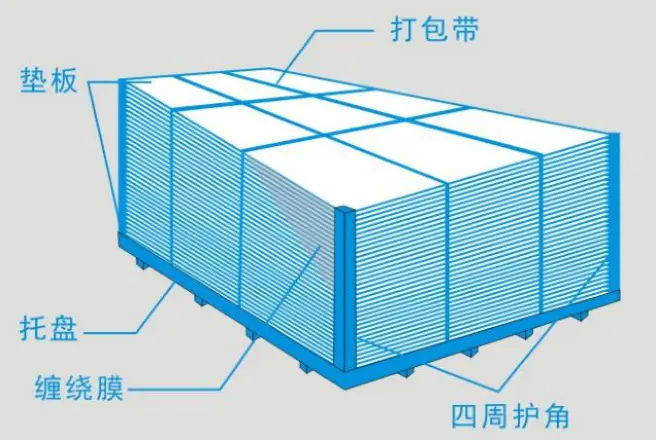
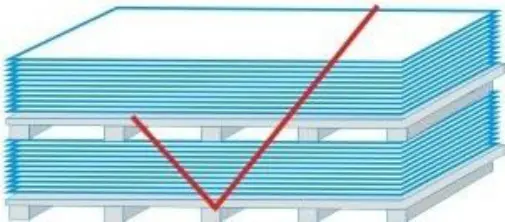
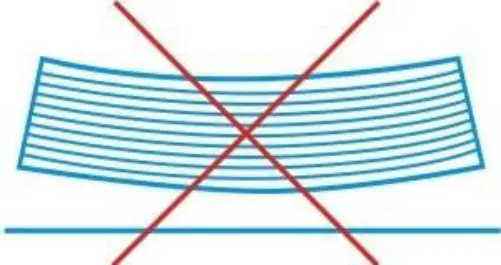
- Store panels flat in a dry, level indoor area. Stack panels according to specifications on wooden pallets, with a maximum stack height of 1.5 meters.
- When panels of different sizes are stored together, place smaller panels on top of larger panels.
- For temporary outdoor storage, cover completely with waterproof tarpaulin to protect from rain and direct sunlight exposure.
Handling
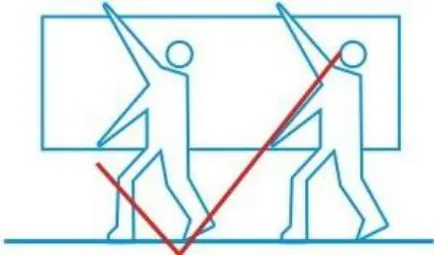
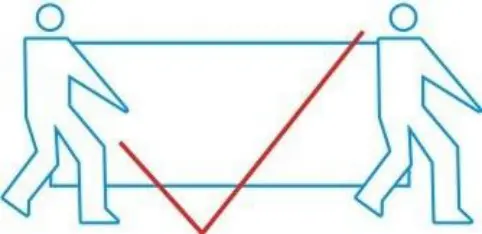
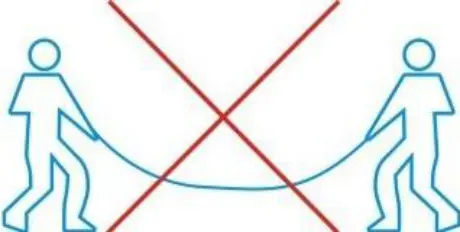
- Panels must be carried by at least two people, holding the panel flat or vertically. Grip the long edges firmly with arms apart, walk steadily, and handle gently.
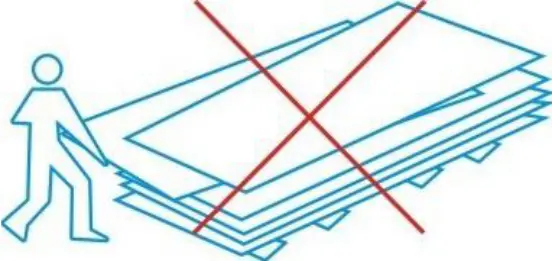
- Protect the corners and edges from impact. Do not drag panels across surfaces, as this may damage the panel surface.
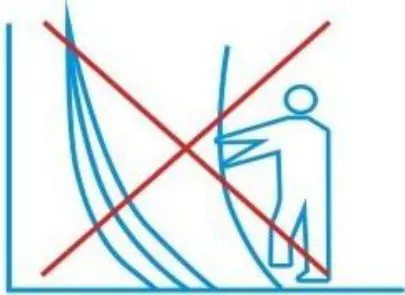
- If temporarily leaning panels against a wall, do not tilt excessively to prevent panels from slipping and causing damage.
Cutting & Processing
- Always use proper protective equipment when cutting. Fiber cement boards are hard and dense — do not use ordinary woodworking saws. Use appropriate cutting equipment and blades, ensuring the panel is supported flat and secured before cutting from the front side.
- Use a hole saw for circular openings. For square openings, drill a small hole at each of the four corners with an electric drill first, then cut along the four sides to avoid stress cracking.
- For special installation areas such as door and window openings, use multiple square panels to form the required shape rather than cutting the shape directly from a single full board.
Cleaning & Maintenance
- Remove the protective film within 7 days after installation. Use a soft cloth with clean water or a neutral detergent to wipe and clean the surface.
- For stubborn stains such as marker pens or ballpoint pen marks, use alcohol or neutral cleaner on a clean cloth for wiping. Never use strong acids, strong alkalis, or corrosive cleaning agents on the panel surface.
Shipping & Packaging
- Products are packaged on pallets, suitable for long-distance transportation.
- Small-batch orders can be arranged for LTL (Less Than Truckload) freight shipping.
- Large-batch orders can be arranged for dedicated truckload logistics transportation.