
Key Performance Factors to Consider When Choosing Insulation Decorative Integrated Panels
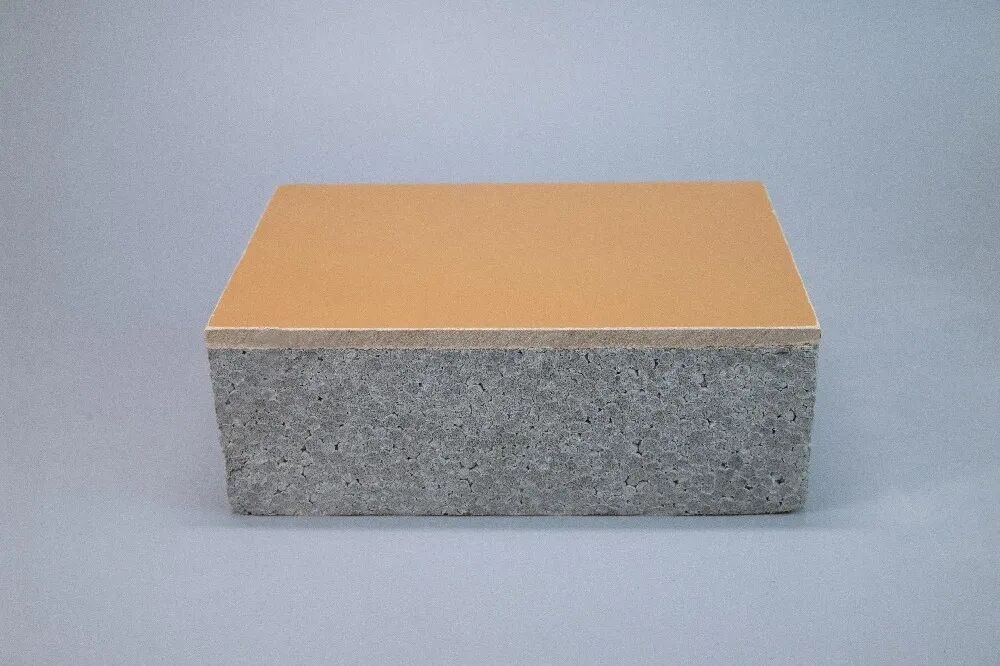
Insulation decorative integrated panels are multifunctional building materials that serve as both exterior wall cladding and thermal insulation. Suitable for residential, commercial, and industrial buildings alike, these panels must be evaluated carefully across several performance dimensions before making a selection.
1. Thermal Insulation Performance
The primary function of insulation decorative integrated panels is to provide effective thermal insulation. If this performance is inadequate, the panel loses its fundamental purpose. When selecting panels, pay close attention to thermal conductivity, closed-cell ratio, and insulation layer thickness to ensure the system delivers meaningful energy efficiency.
2. Fire Resistance
Insulation decorative integrated panels are commonly installed on building exterior walls — areas where fire performance is critical. Fire resistance refers to a material’s ability to remain non-combustible and avoid producing toxic gases when exposed to high temperatures, flames, or smoke. Choose materials with fire ratings that comply with applicable national and local building codes to safeguard both the structure and its occupants.
3. Structural Strength and Wind Load Resistance
Mounted on exterior walls, insulation decorative integrated panels must possess sufficient strength and wind load resistance to withstand extreme weather events and natural forces without structural failure. Select materials with proven high strength and wind resistance to enhance the building’s overall resilience.
4. Environmental Performance
Since insulation decorative integrated panels are often used in interior applications as well, their environmental credentials matter greatly. Key factors include formaldehyde emission levels, volatile organic compound (VOC) content, and heavy metal content. Choose materials with environmental certifications that meet or exceed relevant national and international standards to protect indoor air quality and occupant health.
5. Aesthetic Quality
Beyond functional performance, insulation decorative integrated panels must deliver visual appeal. Aesthetic quality encompasses surface finish consistency, color accuracy, shape precision, and design coherence. Select colors and styles that harmonize with the overall architectural vision of the project.
In Summary
When choosing insulation decorative integrated panels, evaluate thermal insulation, fire resistance, structural strength and wind resistance, environmental performance, and aesthetic quality. Each of these factors directly influences the safety, cost-effectiveness, comfort, and visual impact of the finished building. A thoughtful, informed selection process ensures the best outcome for your project.