
How to Improve the Waterproof Performance of Exterior Wall Insulation Integrated Panels
In recent years, the construction industry has advanced rapidly, and building performance requirements have grown increasingly stringent. Exterior wall cladding materials must now deliver fire resistance, waterproofing, thermal efficiency, energy savings, and long-term durability — all in one system. So how can better waterproofing be achieved? The methods below provide the answer.
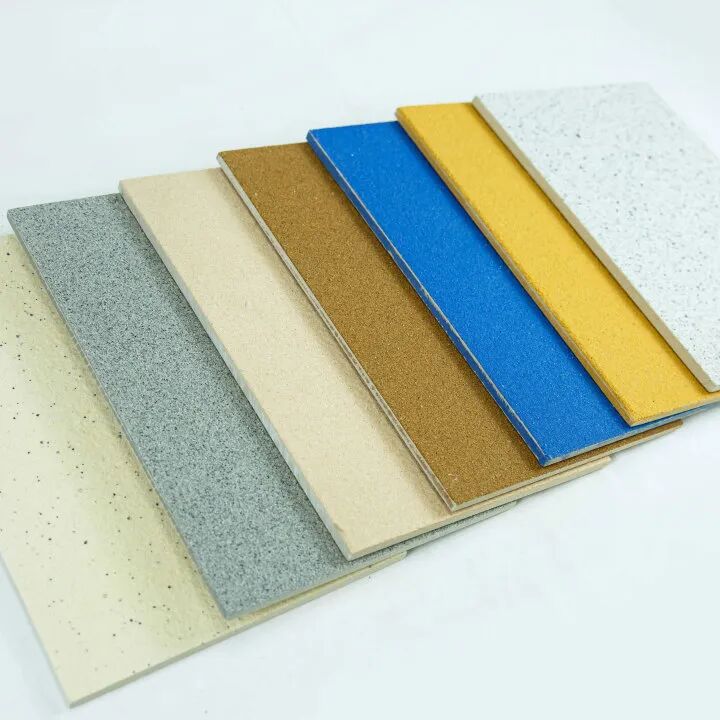
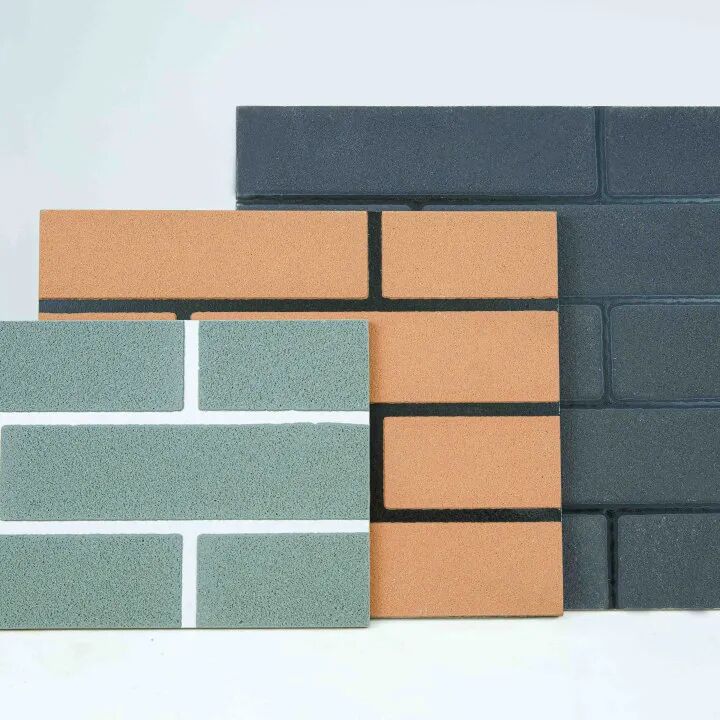
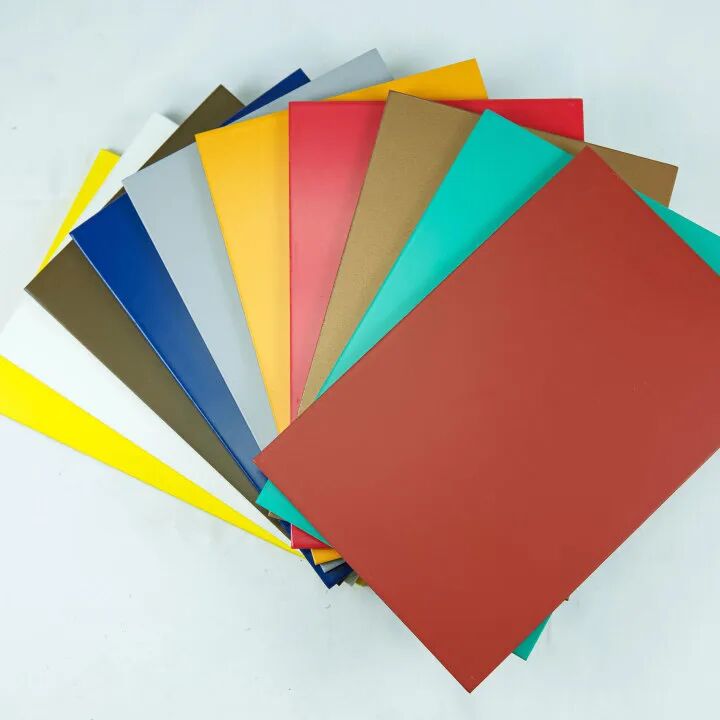
1. Use High-Density Calcium Silicate Board
During production, selecting high-density calcium silicate board is essential. These boards are formed under 20 to 30 tons of compaction pressure, which not only produces exceptionally high material density but also minimizes micropores within the board structure, significantly reducing water absorption.
2. Apply Hydrophobic Treatment
After selecting a high-density board, a professional waterproof penetration treatment is applied. This process fills the microscopic voids naturally present in the calcium silicate board, creating a barrier that dramatically improves waterproof performance.
3. Optimize the Lamination Process
During lamination of exterior wall insulation integrated panels, polyurethane adhesive is applied across the entire back surface of the calcium silicate board. This bonds the decorative facing to the insulation core while adding an additional waterproofing layer.
4. Use Waterproof Surface Coatings
The surface coatings applied to insulation integrated panels — including natural stone finish, stone-effect paint, fluorocarbon paint, and brick-pattern textures — incorporate waterproofing agents during formulation. This alone can block up to 60% of moisture penetration.
The measures above address waterproofing during the manufacturing stage. Equally important, proper waterproofing details must be executed during installation to ensure the exterior wall insulation system delivers long-term, trouble-free performance.