
How to Choose Durable and Long-Lasting Insulation Integrated Panels
As the exterior wall cladding market expands, building material manufacturers have multiplied rapidly, offering an overwhelming variety of products at widely varying quality levels. For buyers, the sheer number of options can make selection daunting. Without reliable technical data to guide decisions, costly mistakes are all too easy to make — and with construction materials representing a significant investment, getting the choice right is critical. Below, we help you navigate the selection process and find the right exterior wall integrated panel for your project.
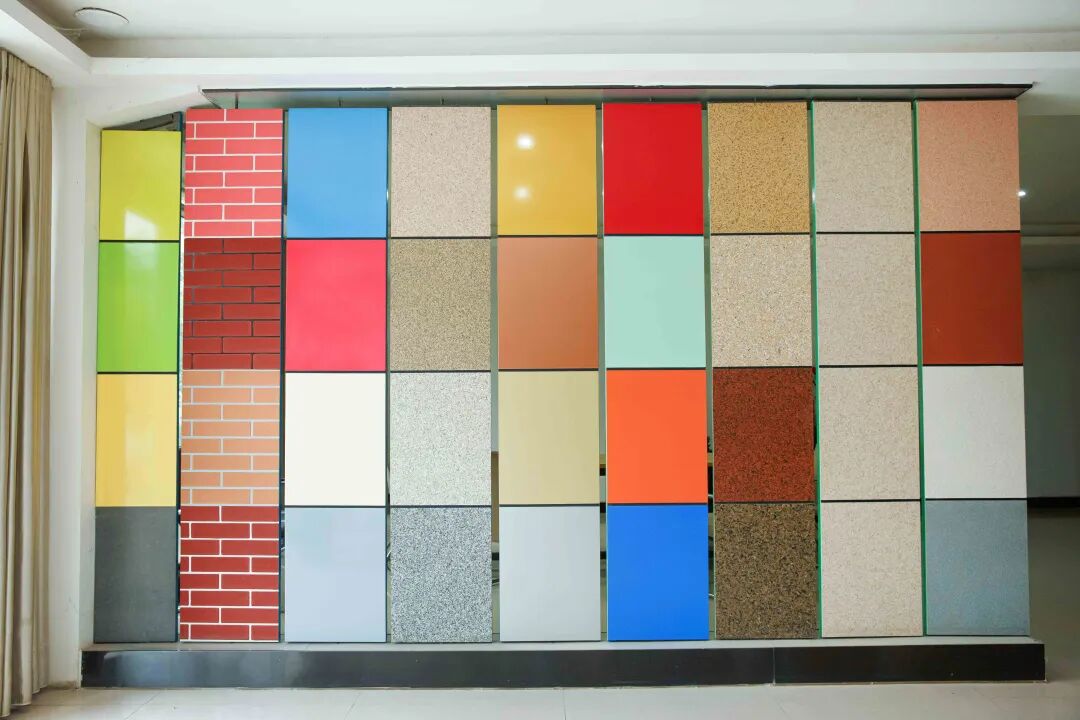
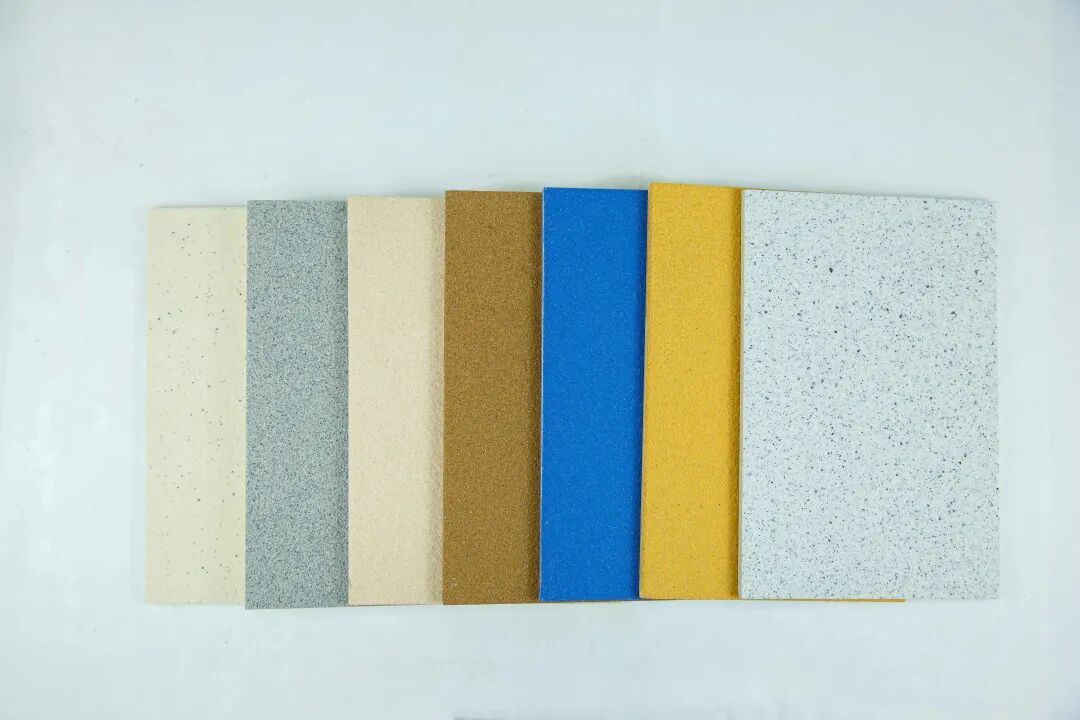
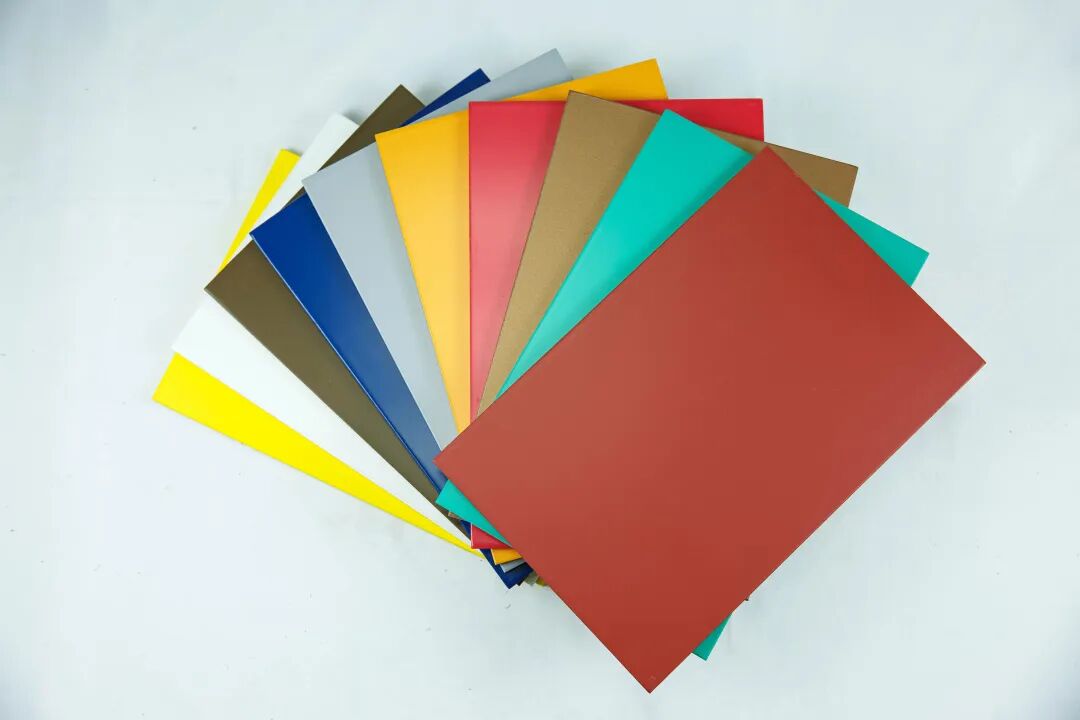
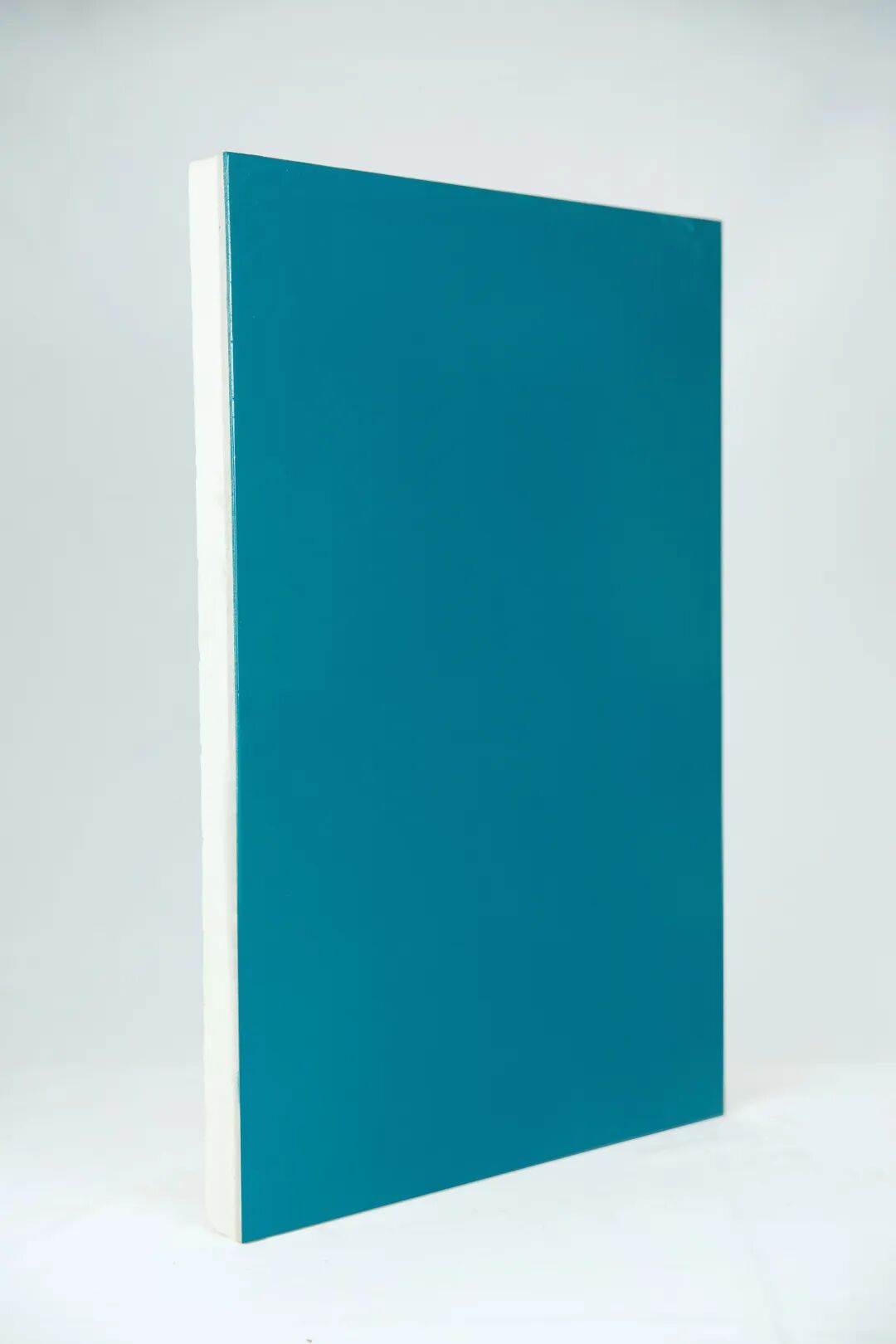
1. Prioritize Superior Weatherability
A panel’s ability to withstand year-round climate variations — including the extreme heat and bitter cold of challenging regions — directly determines its insulation effectiveness and service life. Choose panels with proven weatherability for your climate zone.
2. Look for Low Thermal Conductivity
Thermal conductivity directly impacts insulation performance. A lower thermal conductivity value means the panel transfers less heat, resulting in better energy efficiency and thermal comfort for the building.
3. Demand High Compressive and Tensile Strength
Once mounted on the wall, panels must bear the weight of the insulation system itself while resisting wind loads and external forces. Robust structural integrity, backed by sound manufacturing processes, ensures the panels remain secure and unaffected over time.
4. Insist on Low Combustibility
Reports of exterior wall fires have become increasingly common in recent years. Always select panels with low combustibility and proven fire-resistant properties to protect life and property.
5. Require High Water Repellency
Water repellency (hydrophobicity) is a critical indicator of a panel’s resistance to moisture penetration. For long-term durability, effective waterproofing is non-negotiable. Without it, water infiltration can cause wall swelling and blistering, panel detachment, and a drastically shortened service life.
6. Choose Panels with Low Thermal Expansion
If panels deform easily under thermal stress or external forces after installation, dimensional instability can cause the entire insulation decorative panel system to crack or fail, creating serious safety hazards. Look for panels with excellent dimensional stability.