Calcium Silicate Raised Floor
Product Introduction
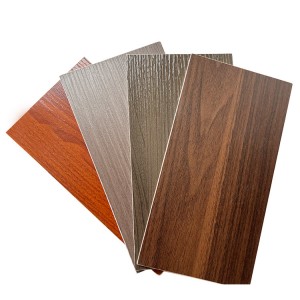
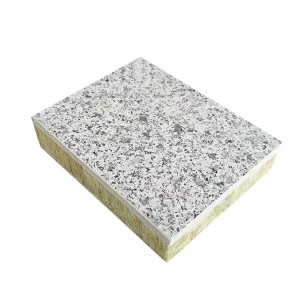
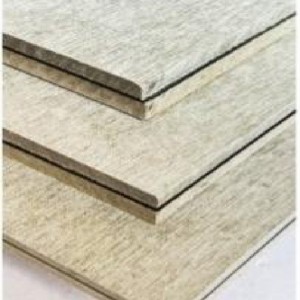
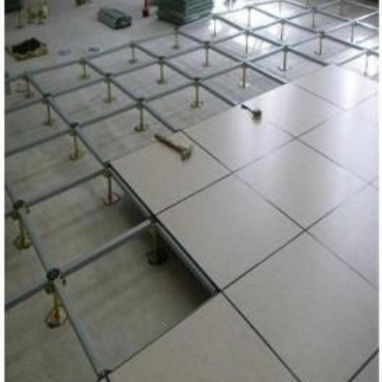
Calcium Silicate Raised Floor, also known as elevated floor or access floor, is a modular flooring solution consisting of high-strength calcium silicate board panels mounted on an adjustable metal support system. This creates a hidden space between the floor surface and the structural subfloor, allowing for convenient routing and management of cables, pipes, and air distribution systems.
Product Specifications
| Type | Length (mm) | Width (mm) | Thickness (mm) |
|---|---|---|---|
| Standard | 2440 | 1220 | 6, 8, 10, 12 |
Application Scope
Calcium Silicate Raised Floor is widely used in environments requiring underfloor service management:
- Data Centers: Server rooms and IT infrastructure facilities
- Computer Rooms: Equipment rooms requiring organized cable management
- Modern Office Buildings: Flexible workspace with underfloor cabling
- Laboratories & Clean Rooms: Controlled environments with service access requirements
- Hospitals: Medical facilities with complex underfloor utility systems
- Museums: Exhibition spaces requiring flexible layout configurations
Product Advantages
- High Load-Bearing Capacity: Strong calcium silicate panels support heavy equipment
- Class A Fireproof: Excellent fire resistance for critical infrastructure protection
- Adjustable Height: Metal support system allows precise leveling and height customization
- Easy Cable Management: Underfloor space simplifies routing and reconfiguration of services
- Modular Design: Individual panels can be easily removed for maintenance access
- Excellent Durability: Resistant to wear, moisture, and environmental factors
- Anti-Static Options: Suitable for electronic equipment environments
- Eco-Friendly Material: Non-asbestos, green building material compliant
Storage
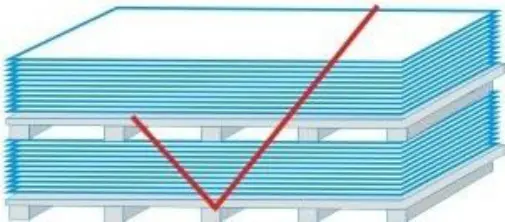
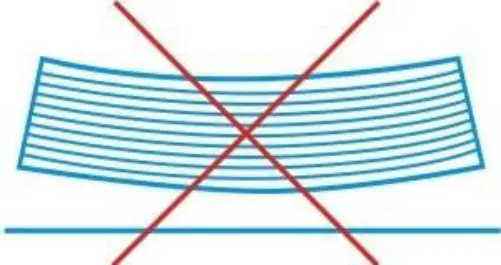
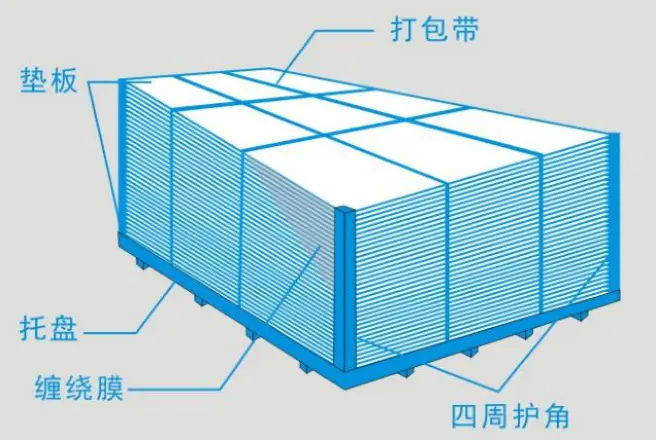
- Store panels flat in a dry, level indoor area. Stack panels according to specifications on wooden pallets, with a maximum stack height of 1.5 meters.
- When panels of different sizes are stored together, place smaller panels on top of larger panels.
- For temporary outdoor storage, cover completely with waterproof tarpaulin to protect from rain and direct sunlight exposure.
Handling
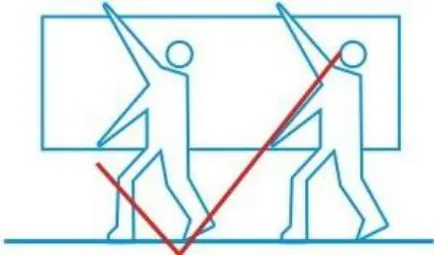
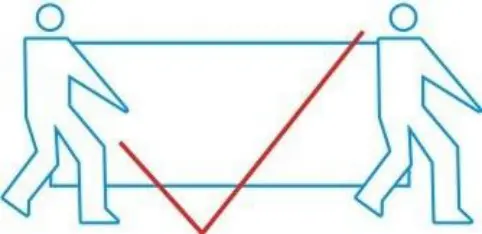
- Panels must be carried by at least two people, holding the panel flat or vertically. Grip the long edges firmly with arms apart, walk steadily, and handle gently.
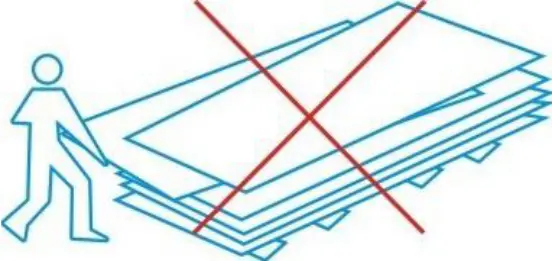
- Protect the corners and edges from impact. Do not drag panels across surfaces, as this may damage the panel surface.
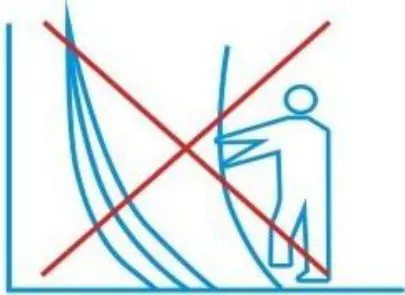
- If temporarily leaning panels against a wall, do not tilt excessively to prevent panels from slipping and causing damage.

Cutting & Processing
- Always use proper protective equipment when cutting. Fiber cement boards are hard and dense — do not use ordinary woodworking saws. Use appropriate cutting equipment and blades, ensuring the panel is supported flat and secured before cutting from the front side.
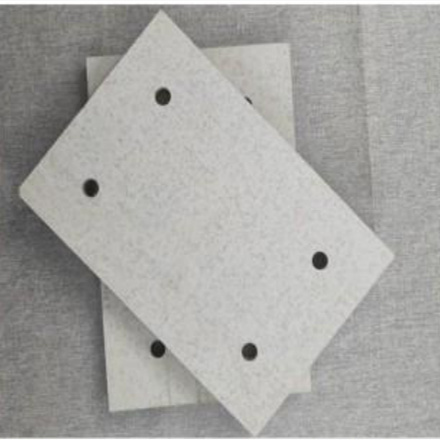
- Use a hole saw for circular openings. For square openings, drill a small hole at each of the four corners with an electric drill first, then cut along the four sides to avoid stress cracking.
- For special installation areas such as door and window openings, use multiple square panels to form the required shape rather than cutting the shape directly from a single full board.
Cleaning & Maintenance
- Remove the protective film within 7 days after installation. Use a soft cloth with clean water or a neutral detergent to wipe and clean the surface.
- For stubborn stains such as marker pens or ballpoint pen marks, use alcohol or neutral cleaner on a clean cloth for wiping. Never use strong acids, strong alkalis, or corrosive cleaning agents on the panel surface.
Shipping & Packaging
- Products are packaged on pallets, suitable for long-distance transportation.
- Small-batch orders can be arranged for LTL (Less Than Truckload) freight shipping.
- Large-batch orders can be arranged for dedicated truckload logistics transportation.
Write your message here and send it to us